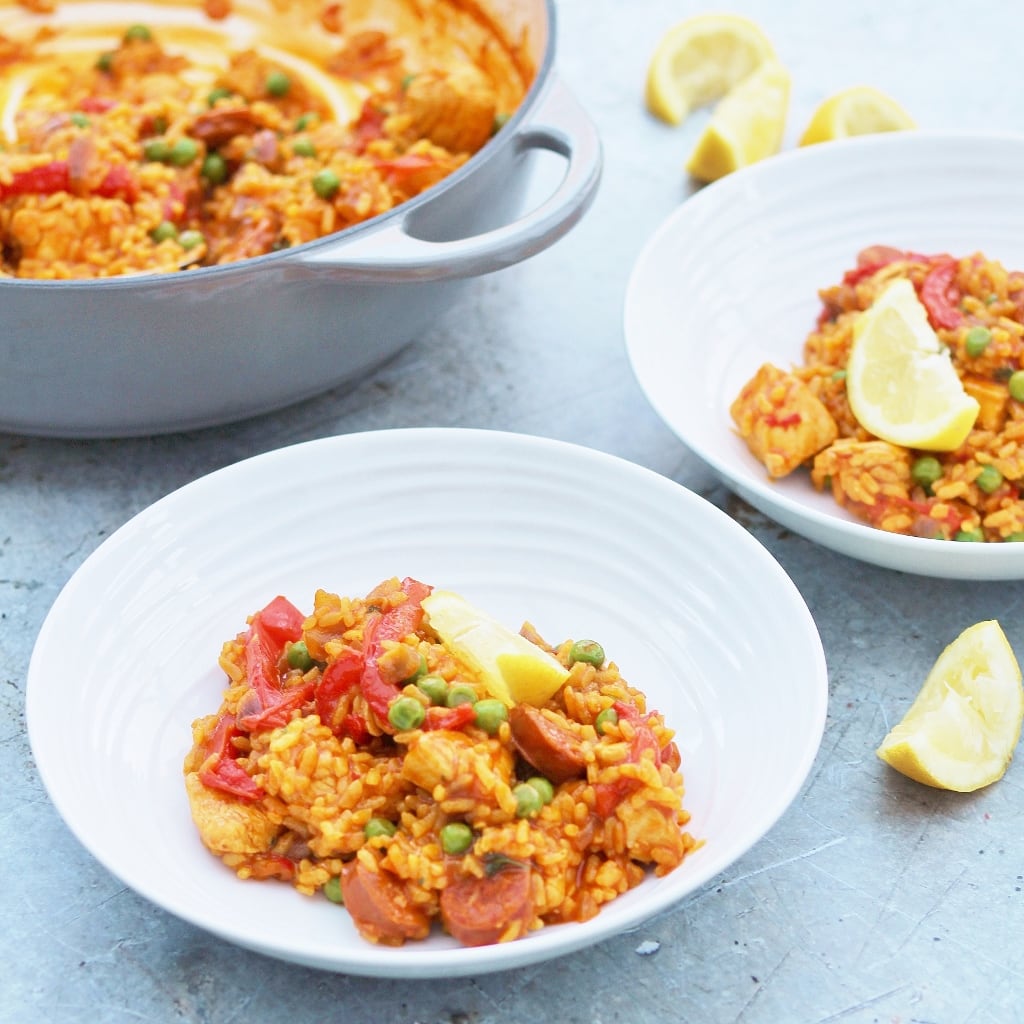
One-Pan Chicken Chorizo Paella: A Cast Iron Flavor Party
Imagine a culinary masterpiece that transports your taste buds straight to the sun-drenched coast of Spain, yet is crafted with the convenience of a single pan right in your kitchen. This is the magic of Chicken Chorizo Paella: A Flavorful Twist on Spanish Tradition, especially when prepared in a trusty cast iron skillet. Far from being merely a meal, this dish is a vibrant "flavor party," combining succulent chicken, spicy Spanish chorizo, and aromatic saffron-infused rice into a symphony of tastes and textures.
While paella's origins are deeply rooted in Valencian tradition, often evoking images of expansive pans cooked over open fires, the spirit of Spanish cooking has always embraced flexibility. As the renowned chef Jamie Oliver once noted after creating a massive paella for 800 people, the Spanish culinary ethos allows for adaptation based on available ingredients. This open-minded approach makes the chicken and chorizo variation not just acceptable, but a truly celebrated and accessible expression of paella.
The Heart of the Paella: Embracing the Chicken Chorizo Twist
Traditionally, paella might feature an array of seafood, rabbit, or vegetables. However, the delightful combination of chicken and chorizo offers a robust, earthy, and undeniably savory alternative that has gained immense popularity worldwide. This particular iteration of Mastering Chicken Chorizo Paella: Crispy Rice & Family Feast provides a fantastic option for those who prefer not to include seafood, or simply crave the bold, smoky notes that only Spanish chorizo can deliver.
The choice of chorizo is paramount here. For an authentic and delicious chicken chorizo paella, always opt for Spanish or Portuguese chorizo. These varieties are typically cured and par-cooked, meaning they have a firm texture and a deep, concentrated flavor, often infused with smoked paprika and garlic. Mexican chorizo, by contrast, is usually a raw, fresh sausage that crumbles easily and has a very different flavor profile, making it less suitable for this particular dish. Browning the par-cooked Spanish chorizo first is a crucial step, as it renders out its rich, paprika-infused fat, which then forms a flavorful foundation for the rest of the paella, imbuing the rice with its characteristic color and taste.
Pairing this with tender chicken—whether it's succulent breast meat or shredded thighs—creates a harmonious balance. The chicken absorbs the savory notes of the chorizo fat and aromatic sofrito, ensuring every bite is packed with complex flavors. This blend of poultry and pork is a testament to the adaptability and ingenuity of Spanish-inspired cooking, proving that tradition can evolve without losing its soul.
Building Layers of Flavor: More Than Just Rice
A truly great chicken chorizo paella is built upon a succession of carefully crafted flavor layers, each contributing to the final, unforgettable experience. It’s not just about cooking rice; it’s about coaxing out the best from every ingredient.
- The Foundation – Homemade Stock: While convenience often dictates using store-bought stock, making your own elevates the dish significantly. A rich stock, simmered with chicken wings, onion, celery, carrots, bay leaves, thyme, peppercorns, and even juniper berries, provides an unparalleled depth of flavor. The addition of precious saffron threads to the simmering stock is non-negotiable. Saffron, with its delicate aroma and vibrant golden hue, is the soul of paella, imparting that signature color and subtle, complex floral notes. Don't rush this step; the richer the stock, the more profound your paella will be.
- Perfectly Poached Chicken: Instead of simply browning raw chicken in the pan, poaching chicken thighs until just tender before shredding ensures a moist and delicate texture that contrasts beautifully with the firmer chorizo. This process also yields a flavorful poaching liquid that can be incorporated into the sauce or stock, adding another layer of chicken goodness.
- The Essential Sofrito and Sauce: This aromatic base is where much of the paella's character develops. Slowly sautéing sliced onions, vibrant bell peppers, and fragrant garlic until translucent and sweet is key. This caramelized mixture, known as sofrito, forms the bedrock of Spanish cuisine. For our chicken chorizo paella, this sofrito is often joined by a unique, flavour-boosting sauce blend—think tomato paste, a touch of ketchup for sweetness and acidity, and a generous amount of Spanish paprika. Blended with reserved poaching liquid, this creates a smooth, rich sauce that beautifully coats the shredded chicken, ensuring every morsel is infused with flavor before it even meets the rice.
- The Star – Paella Rice: The type of rice is crucial. Look for Spanish short-grain varieties like Bomba or Calasparra. These rices absorb liquid efficiently without becoming sticky, ensuring individual, perfectly cooked grains. The key is to add the rice to the pan after the chorizo and aromatics, stirring it briefly to coat each grain in the rendered fat and oil. This step helps to prevent stickiness and sets the stage for the coveted crispy bottom.
- Vibrant Additions: Frozen peas add a pop of sweetness and color, while piquillo peppers (sweet, roasted red peppers) contribute a smoky-sweet depth. Briny Manzanilla olives provide a delightful counterpoint, cutting through the richness of the chorizo and chicken. These ingredients are stirred in alongside the rice and stock, contributing to the visual appeal and diverse flavor profile of the chicken chorizo paella.
The Cast Iron Advantage: Achieving the Perfect Paella Texture
The title of this dish, "A Cast Iron Flavor Party," highlights a key element that makes this paella truly exceptional: the cooking vessel. A cast iron skillet is an ideal choice for paella, offering several distinct advantages:
- Superior Heat Retention and Even Distribution: Cast iron heats up slowly but retains heat incredibly well, distributing it evenly across the bottom of the pan. This consistent heat is vital for cooking the rice uniformly and, more importantly, for developing the prized socarrat.
- Stovetop-to-Oven Versatility: Many paella recipes, including this one, begin on the stovetop and finish in the oven. A cast iron skillet seamlessly transitions between these cooking methods, eliminating the need to transfer the paella to another dish. This is where the "one-pan" magic truly shines.
- The Coveted Socarrat: This is the golden, crispy, slightly caramelized crust of rice that forms at the bottom of the paella pan. It’s a hallmark of a well-made paella and a texture that distinguishes it significantly from its Italian cousin, risotto (which maintains a uniform creaminess throughout). Achieving the socarrat in a cast iron pan involves maintaining a medium-high heat on the stovetop for the initial rice cooking phase, resisting the urge to stir the rice once the liquid has been added. The even heat of cast iron promotes this beautiful browning without burning.
To achieve that perfect crispy bottom, ensure your pan is well-seasoned and hot when you add the initial ingredients. Once the rice, stock, and other components are in the pan, resist the urge to stir vigorously. Stirring releases starch, which can make the paella too creamy, defeating the goal of distinct rice grains and the socarrat. After a brief simmer on the stovetop, the oven takes over, gently cooking the rice to perfection while allowing that glorious crust to form undisturbed. A final rest after baking, still covered, allows the flavors to meld and the rice to fully absorb any remaining liquid.
Caring for your cast iron skillet is simple: wash with hot water and a stiff brush (avoid harsh soaps), dry thoroughly immediately, and apply a thin layer of oil before storing. This ensures your skillet is always ready to create the next unforgettable meal.
Practical Tips for Your Paella Party
- Ingredient Quality: Always invest in good quality Spanish chorizo and a reputable brand of saffron. These ingredients are the stars and their quality profoundly impacts the final flavor.
- Don't Rush the Sofrito: The longer and slower you cook your onions, bell peppers, and garlic, the sweeter and more complex their flavors will become. This is the bedrock of your paella.
- Measure Stock Carefully: Too much liquid will result in soggy rice; too little will leave it undercooked. Stick to the recipe's recommended liquid quantities.
- Resist the Stirring Urge: Once the rice is added and the liquid is in, avoid excessive stirring. This is crucial for developing the socarrat and maintaining the integrity of the rice grains.
- Rest is Best: Don't skip the resting period after the paella comes out of the oven. This allows the rice to steam and fully absorb any remaining moisture, resulting in a more tender and flavorful finish.
- Serving Suggestions: Serve your chicken chorizo paella directly from the cast iron skillet, garnished with fresh chopped parsley and lemon wedges. The lemon zest and juice add a bright, zesty counterpoint that perfectly complements the rich flavors. A dry Spanish white wine or a light red, like a Tempranillo, makes an excellent pairing.
- Scaling Up: While this recipe is perfect for a family feast, paella is also a fantastic dish for entertaining a crowd. Just ensure you have a large enough paella pan or skillet to accommodate the quantity, remembering Jamie Oliver's epic 800-person venture as a testament to its scalability!
The One-Pan Chicken Chorizo Paella, especially when crafted in a cast iron skillet, is more than just a recipe; it's an experience. It’s a celebration of bold flavors, contrasting textures, and the joy of bringing a taste of Spain into your home with minimal fuss. From the sizzling chorizo to the tender chicken, the aromatic saffron rice, and that highly prized crispy socarrat, every element contributes to a truly memorable meal. Embrace the journey, savor the process, and enjoy the incredibly rewarding results of this flavorful cast iron creation.
