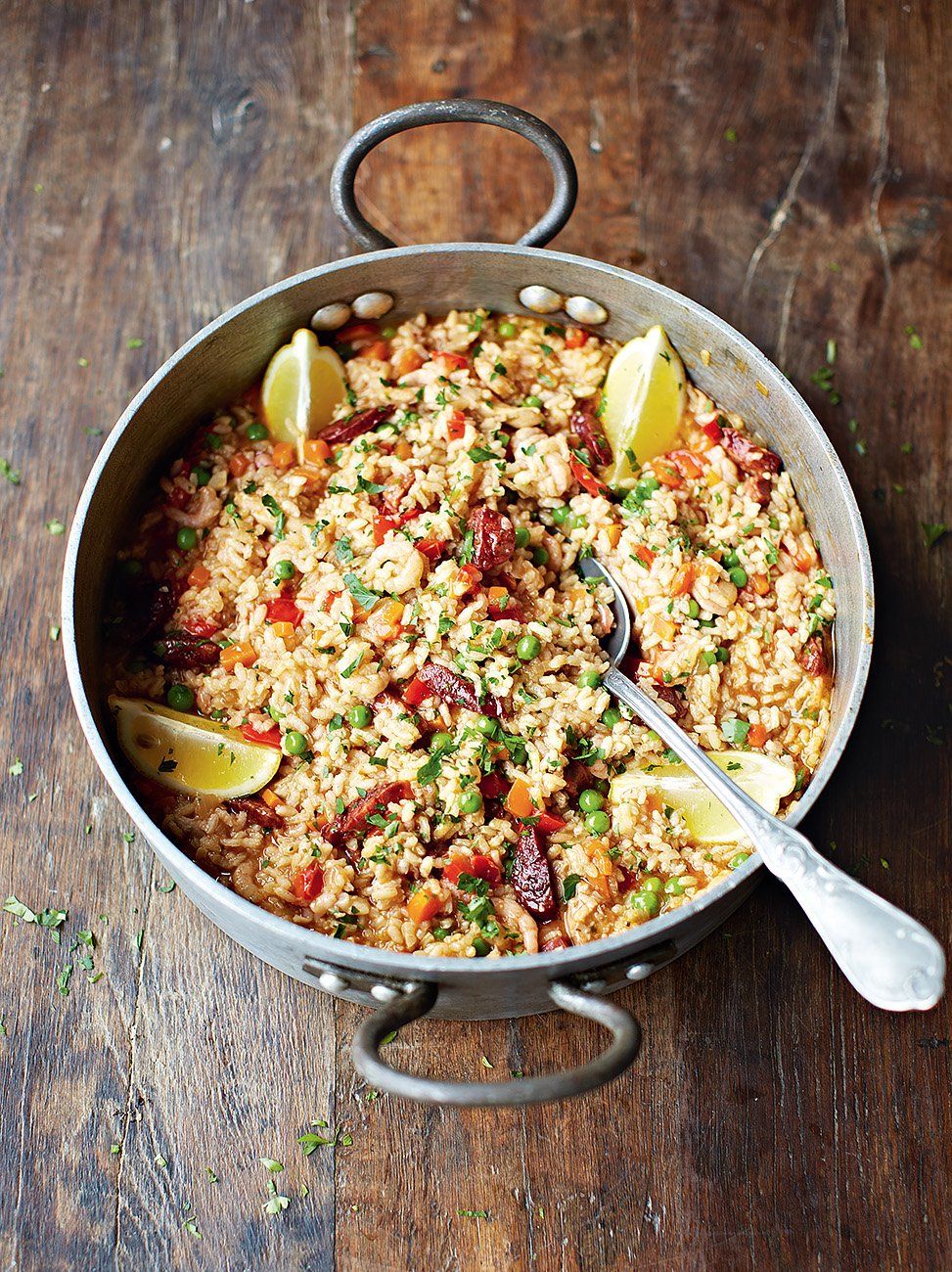
Paella, a dish steeped in Spanish tradition, evokes images of sun-drenched fiestas and communal feasting. Originating on the eastern coast of Spain, particularly in Valencia, this iconic rice dish is a testament to the country's rich culinary heritage. While purists often guard the boundaries of what constitutes a 'true' paella, the spirit of Spanish cooking has always embraced adaptability, making use of whatever bounties the land or sea provides. This inherent flexibility paves the way for delightful variations, and few are as universally beloved and approachable as chicken chorizo paella – a vibrant, flavorful twist that honors tradition while inviting new tastes to the table.
Far from a deviation, a well-executed chicken chorizo paella embodies the very essence of Spanish ingenuity: transforming humble ingredients into an extraordinary, shared meal. It’s a "flavor party in a skillet," as one enthusiast aptly put it, combining succulent chicken, spicy Spanish chorizo, and aromatic vegetables with the signature saffron-infused rice, all culminating in that coveted crispy bottom layer known as the socarrat.
The Heart of the Paella: Building Layers of Flavor
Every exceptional paella begins with a foundation of robust flavors, carefully built layer by layer. The beauty of chicken chorizo paella lies in its ability to deliver a complex taste profile through distinct components.
Crafting the Liquid Gold: Homemade Saffron Chicken Stock
While convenience often dictates using store-bought broths, the soul of an authentic paella truly resides in its stock. A homemade chicken stock provides an unparalleled depth of flavor that simply cannot be replicated. Imagine simmering chicken wings with aromatic vegetables like onion, celery, and carrots, alongside bay leaves, thyme, peppercorns, and juniper berries. This simmering process, typically for 45 minutes, extracts rich, savory notes. The addition of saffron in the final 15 minutes of simmering is crucial, infusing the stock with its signature golden hue and delicate, earthy aroma. This golden liquid is more than just a cooking medium; it's the very lifeblood that will saturate your rice, making every grain sing.
Tip: Make a larger batch of stock than you need. It freezes beautifully for up to three months, ensuring you're always ready for your next paella adventure or other Spanish-inspired dishes.
The Dynamic Duo: Chicken and Chorizo
The star proteins of this dish require thoughtful preparation. For the chicken, poaching thighs until just tender ensures they remain incredibly moist and flavorful. This method also yields a valuable poaching liquid, which can be strained and incorporated into your sauce, reinforcing the chicken's presence throughout the dish. Once cooled slightly, shredding the chicken allows it to meld seamlessly with the other ingredients, creating a fork-tender experience.
Chorizo, on the other hand, brings a bold, smoky, and slightly spicy punch. It's vital to choose the right kind: opt for Spanish or Portuguese chorizo, which is a cured, par-cooked sausage, distinct from raw Mexican chorizo. Browning the chorizo in your paella pan is a non-negotiable step. This process not only crisps the sausage but also renders its vibrant red, paprika-infused fat, which becomes the delicious starting point for your sofrito, permeating the entire dish with its rich flavor.
The Soul of Spanish Cuisine: The Sofrito and Sauce Base
A true Spanish sofrito, a slowly cooked aromatic base, is fundamental to many dishes, and paella is no exception. This involves patiently sautéing sliced onions, bell peppers (often red and green for color and sweetness), and minced garlic until they are translucent and beautifully caramelized. This gentle cooking extracts maximum sweetness and complexity from the vegetables.
To deepen the flavor profile and create a luscious coating for the chicken, a blended sauce is prepared using tomato paste, a touch of ketchup (for sweetness and umami), and plenty of paprika, all smoothed out with some of the reserved chicken poaching liquid. This sauce is then added to the sautéed aromatics and cooked until it thickens, before the shredded chicken is introduced, ensuring every piece is coated in this savory, spiced mixture. This combination of traditional sofrito with a rich, spiced sauce sets the stage for a truly unforgettable chicken chorizo paella.
Mastering the Paella Pan: Technique for the Perfect Serve
Once your flavorful components are ready, the magic truly happens in the paella pan itself. This is where the individual elements come together, transforming into a harmonious, textural masterpiece.
The Art of the Socarrat: Crispy Rice Perfection
A hallmark of an excellent paella is the socarrat – the crispy, caramelized crust of rice that forms at the bottom of the pan. Achieving this requires attention and a bit of patience. After sautéing your chorizo, onions, and garlic in olive oil, the rice is added and stirred to lightly coat it with the rendered fat and oil. This step is crucial for developing flavor and ensuring even cooking. Then, peas, piquillo peppers, and olives are stirred in, followed by the prepared chicken mixture and the golden saffron chicken stock. Seasoning with salt is key.
Once the liquid is added, resist the urge to stir the rice too much. Paella is not risotto; stirring releases starches and prevents the crispy bottom from forming. The paella is then transferred to a preheated oven, covered tightly with foil, and baked until all the liquid is absorbed. This ensures the rice cooks evenly without drying out. The final step involves a crucial resting period, still covered, for 5 minutes after removing it from the oven. This allows the flavors to meld and the rice to fully set. To encourage a better socarrat, you can finish the last few minutes on the stovetop over medium-high heat without stirring, listening for that characteristic sizzling sound.
For more detailed insights on this crucial element, explore our article on Mastering Chicken Chorizo Paella: Crispy Rice & Family Feast.
Choosing Your Paella Vessel
While a traditional paella pan is ideal for its wide, shallow design that promotes even evaporation and socarrat formation, a large ovenproof skillet (like a cast iron skillet) works beautifully for home cooks. The key is a wide surface area to maximize contact with the heat and ensure the rice cooks in a thin layer, allowing for that desirable crispy crust. The 'one-pan' aspect of this dish makes for convenient cooking and an impressive presentation, served directly from the pan.
Beyond the Recipe: Tips for Your Best Chicken Chorizo Paella
- Rice Matters: While Arborio rice can be a substitute, true Spanish paella often uses Bomba rice. Its short, round grains absorb liquid exceptionally well without becoming sticky, ensuring a fluffy texture while still allowing for the socarrat.
- Don't Skimp on Saffron: Saffron is a splurge, but its distinct flavor and vibrant color are non-negotiable for an authentic paella. To get the most out of your saffron threads, "bloom" them by steeping them in a small amount of warm stock or water for 10-15 minutes before adding to the main dish.
- Flavor Customization: While peas, piquillo peppers (sweet, roasted red peppers), and olives are classic additions, feel free to experiment. A sprinkle of fresh parsley or a squeeze of lemon juice just before serving brightens the entire dish.
- The Joy of Sharing: Jamie Oliver once famously cooked paella for 800 people in a Spanish village, a testament to its communal spirit. Chicken chorizo paella, whether for a large gathering or a family dinner, is meant to be shared directly from the pan, fostering a wonderful sense of togetherness.
Chicken chorizo paella is more than just a meal; it's an experience. It bridges the gap between traditional Spanish culinary arts and modern palates, offering a hearty, flavorful, and incredibly satisfying dish that's perfect for any occasion. By understanding its foundational elements, mastering the techniques, and embracing the spirit of culinary creativity, you can bring the vibrant flavors of Spain right into your kitchen.
